Established in 2014 by the charity Encephalitis International, World Encephalitis Day (WED) takes place each year on 22 February. It is an important day to raise awareness of the symptoms and causes of encephalitis. In this article, we explain what encephalitis is, how it is caused and recognise the life‑changing impact it can have on individuals and their families.
Encephalitis requires urgent diagnosis and treatment, and failures in care can result in serious brain injury with long‑term or permanent consequences. WED is a day for those in the encephalitis community to share the challenges they face and to highlight the importance of early diagnosis and intervention.
Our Medical Negligence team acts for clients living with catastrophic neurological injuries caused by substandard medical treatment. This includes cases involving delayed or missed diagnoses of conditions affecting the brain, such as encephalitis. By marking days such as this, we underline the critical importance of timely, competent medical care and our commitment to helping those affected secure accountability, appropriate compensation and access to lifelong support and rehabilitation.
Iain Dodd, Partner and Head of Medical Negligence, Leeds, comments:
“Encephalitis is a medical emergency, yet its early symptoms are often mistaken for less serious conditions. We sadly see many cases where delays in diagnosis or treatment have led to avoidable and life‑changing brain injuries. Early recognition, prompt investigation and urgent treatment can make a critical difference to outcomes, which is why awareness among both clinicians and the public is so important.”
What is encephalitis?
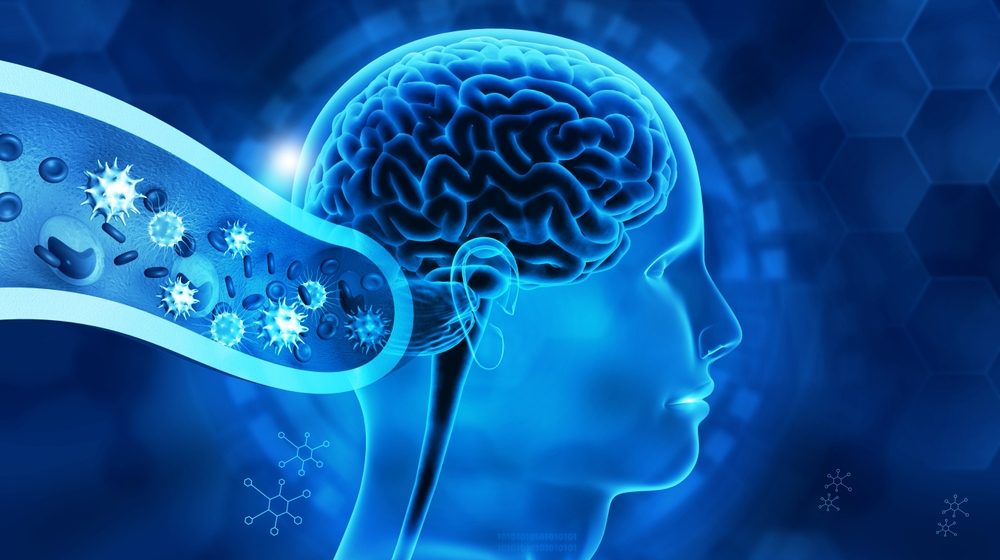
Encephalitis is a serious inflammation of the brain that can affect people of all ages. It is caused either by:
- an infection invading the brain, called infectious encephalitis
- the immune system attacking the brain in error, called post-infectious/autoimmune encephalitis.
Infectious encephalitis
The most common cause of infectious encephalitis is a virus, and any type of virus can cause encephalitis.
Early signs may include a headache or a flu-like illness. This is followed by more serious symptoms, such as mild confusion or drowsiness, which may not appear for days or even months. In extreme cases, the condition can lead to a loss of consciousness or even a coma.
Autoimmune encephalitis
The symptoms of this type of encephalitis vary depending on the specific encephalitis-related antibody involved. Symptoms may include confusion, psychosis, altered personality or behaviour, or sleep disturbances.
What to look out for?
Common symptoms for both types of encephalitis include:
- Fever
- Headache
- Seizures
- Confusion
- Memory problems
Diagnosis of encephalitis
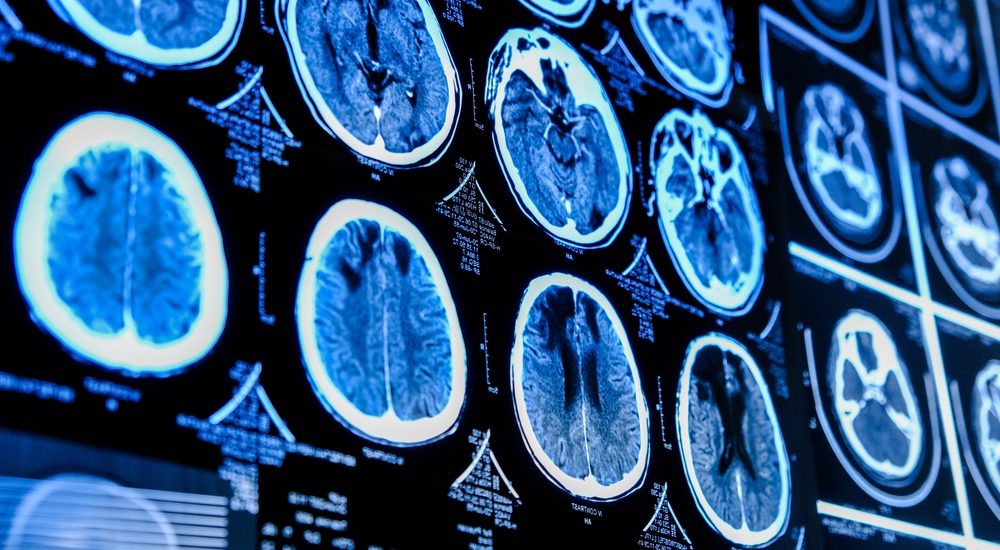
Early testing is vital to diagnose the condition promptly and improve patient outcomes. Examples of testing that may be carried out include:
- Spinal tap (lumbar puncture)
- Brain scans (CT or MRI)
- Electroencephalogram (EEG)
- Blood tests
Effects of encephalitis and rehabilitation
For some people, the impact of the condition can be long-term, while others can make a full recovery. After effects can include tiredness, loss of sensation and loss of control of bodily functions. They may also include issues with memory and concentration.
Recovery from encephalitis varies from person to person. Rehabilitation is a critical component of recovery following a brain injury, playing a central role in helping individuals regain independence, rebuild skills and adapt to life‑changing physical, cognitive and emotional challenges. Early, specialist rehabilitation can significantly influence a patient’s long‑term outcomes, support their recovery and maximise their quality of life.
Stewarts works closely with clients, clinicians and rehabilitation professionals to help secure access to appropriate early rehabilitation and support as soon as possible after injury. For those living with catastrophic brain injuries, rehabilitation is often a lifelong process requiring coordinated, multidisciplinary care. We are committed to ensuring our clients have the resources and support needed to meet their evolving needs over the long term.
Why awareness matters
Encephalitis affects an estimated 6,000 people each year in the UK and hundreds of thousands of people worldwide, with many cases going undiagnosed. Prompt diagnosis is crucial because, without treatment, encephalitis can cause death. Survivors of encephalitis can experience life-changing neurological complications in the form of a brain injury.
This highlights why raising awareness of World Encephalitis Day is crucial. The earlier the symptoms are recognised and the condition diagnosed, the better a patient’s outcomes.
How can you support those living with the condition?
You can find further information about encephalitis on Encephalitis International’s website. By raising awareness of this condition, you can have a meaningful impact on the lives of those living with encephalitis.
To discuss prospects of making a successful medical negligence claim, please contact us today or complete our online enquiry form.