The February 2026 interim report of the Independent National Maternity and Neonatal Investigation, chaired by Baroness Valerie Amos, provides more than an assessment of pressures in maternity and neonatal services in England. It offers a timely opportunity to reflect on how organisations respond to risk, harm and accountability, and what happens when lessons are repeatedly identified but not fully learned.
While the report does not yet make formal recommendations, its findings expose long‑standing systemic weaknesses that have featured in multiple previous inquiries. The question it implicitly poses is not simply what has gone wrong, but why the same issues continue to recur.
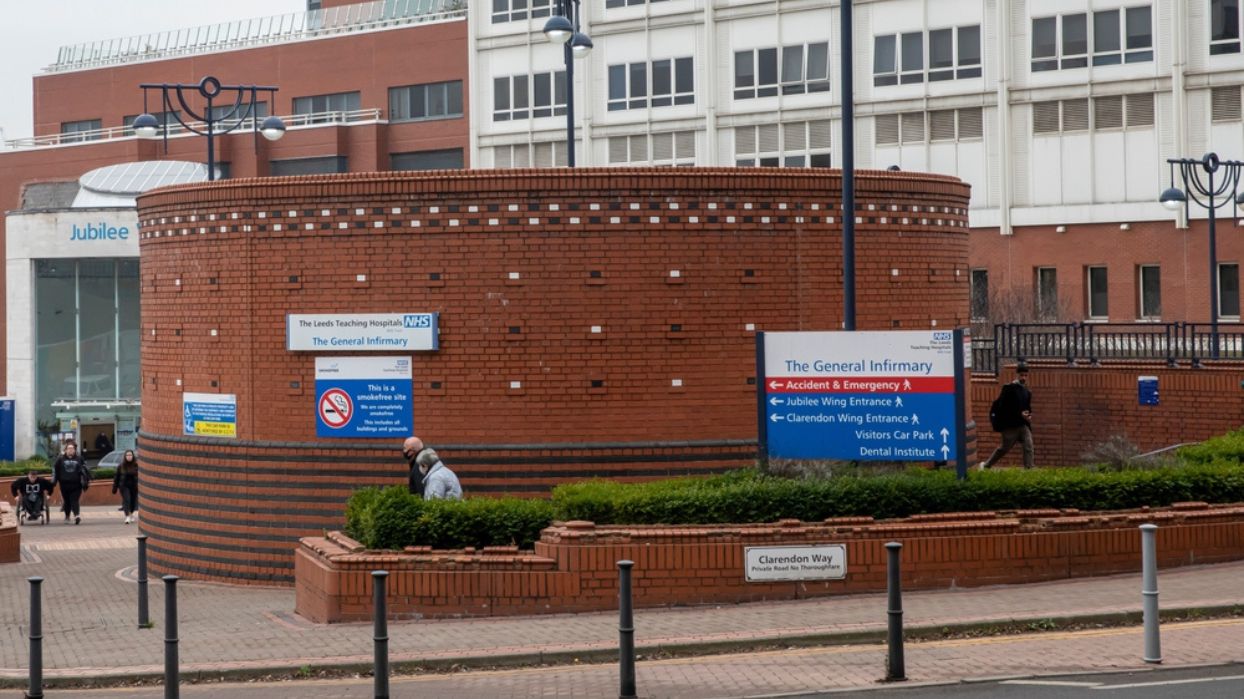
Commenting on the report, Guy Pomphrey, a partner in the Medical Negligence department in Leeds, who has acted in a number of cases against Leeds Teaching Hospital NHS Trust, said:
“Maternity safety is one of the most urgent and important challenges facing the NHS, and it has been allowed to persist for far too long. A thorough, independent investigation must confront the fundamental failures in maternity services and deliver real, measurable change for women, babies, families and front-line NHS clinical staff. The same issues seen in medical negligence cases 20 years ago are still occurring today, acting as clear evidence that lessons are not being learnt and meaningful change is not being implemented.
“The statistics reflect a grim national picture. There has been an increase in maternal mortality rate, and between 2022-24 the UK maternal mortality rate was approximately 12.8 deaths per 100,000 maternities. This was about 20% higher than the rate recorded in 2009-2011, despite the government’s ambition to halve this figure by 2025.
“From our experience supporting clients, we see the human cost of these failures repeatedly: poor care, a lack of transparency, and accountability breaking down when things go wrong. These concerns are not abstract, they are reflected in live cases we are currently handling, including matters involving some of the NHS Trusts included in this investigation. Families want certainty that learning leads to action, not repetition, and that safety improvements are delivered and sustained, not simply promised.”
From incidents to systems
A central lesson emerging from the report is the risk of treating maternity safety failures as isolated clinical incidents rather than symptoms of wider system failure. The investigation identifies six interrelated drivers of risk, including capacity pressures, leadership culture, workforce challenges and poor responses when things go wrong. Each of these compounds the others.
This matters because learning cannot be effective if it is fragmented. Focusing narrowly on individual error or frontline performance risks obscuring the organisational conditions that allow unsafe practices to persist. Meaningful improvement requires sustained attention to how governance, leadership behaviours, resourcing decisions and organisational culture interact over time.
Culture, candour and accountability
One of the most striking themes in the report is the experience of families following serious harm or bereavement. Many describe a lack of transparency, inadequate investigations and reluctance to acknowledge failings. These shortcomings often compound trauma and erode trust, leaving families feeling that litigation is the only route to answers and accountability.
From a learning perspective, this is critical. Systems that struggle with openness and candour also struggle to improve. When defensiveness replaces curiosity, learning stalls. The report reinforces that compassionate, honest engagement with families is not only a moral imperative, but a practical foundation for organisational learning and risk reduction.
Inequality as a safety issue
The investigation makes clear that inequality is not a peripheral concern but a core patient safety issue. Persistent disparities in outcomes for Black, Asian and socio‑economically deprived women, alongside widespread accounts of racism and discrimination experienced by both families and staff, point to structural failures rather than individual anomalies.
Learning lessons in this context requires recognising that unequal outcomes are often predictable and systemic. Addressing them demands sustained leadership focus, clear accountability and scrutiny of whether actions taken genuinely change behaviours and experiences, rather than merely signalling intent.
Key takeaways from the interim report
Several clear learning points emerge from the investigation’s interim findings:
- Recurring issues signal system failure, not isolated mistakes. Many of the problems identified mirror those highlighted in earlier reviews, raising questions about how learning is embedded and sustained.
- Poor responses after harm deepen risk. Lack of transparency, weak investigations and defensive cultures undermine trust and impede learning.
- Culture and leadership are safety issues. Teamwork, psychological safety and visible, accountable leadership directly influence outcomes.
- Inequality drives harm. Disparities linked to race, deprivation and discrimination must be addressed as core safety risks, not secondary concerns.
- Learning must be evidenced by change. Reports and reviews alone are insufficient; learning must be demonstrable in practice, outcomes and experience.
Looking ahead
As the investigation moves towards its final report, the challenge will be ensuring that its conclusions lead to sustained, system‑wide change rather than another cycle of recognition followed by inertia. The interim findings underline a simple but powerful message: learning lessons is not an event, it is a discipline.
For organisations operating in high‑risk environments, the report is a reminder that safety, trust and accountability are built through consistent action, rigorous follow‑through and a willingness to confront uncomfortable truths.
Click here to view our video on birth injury claims.
Read more about bringing a claim for cerebral palsy here.
Read our previous articles on maternity safety: