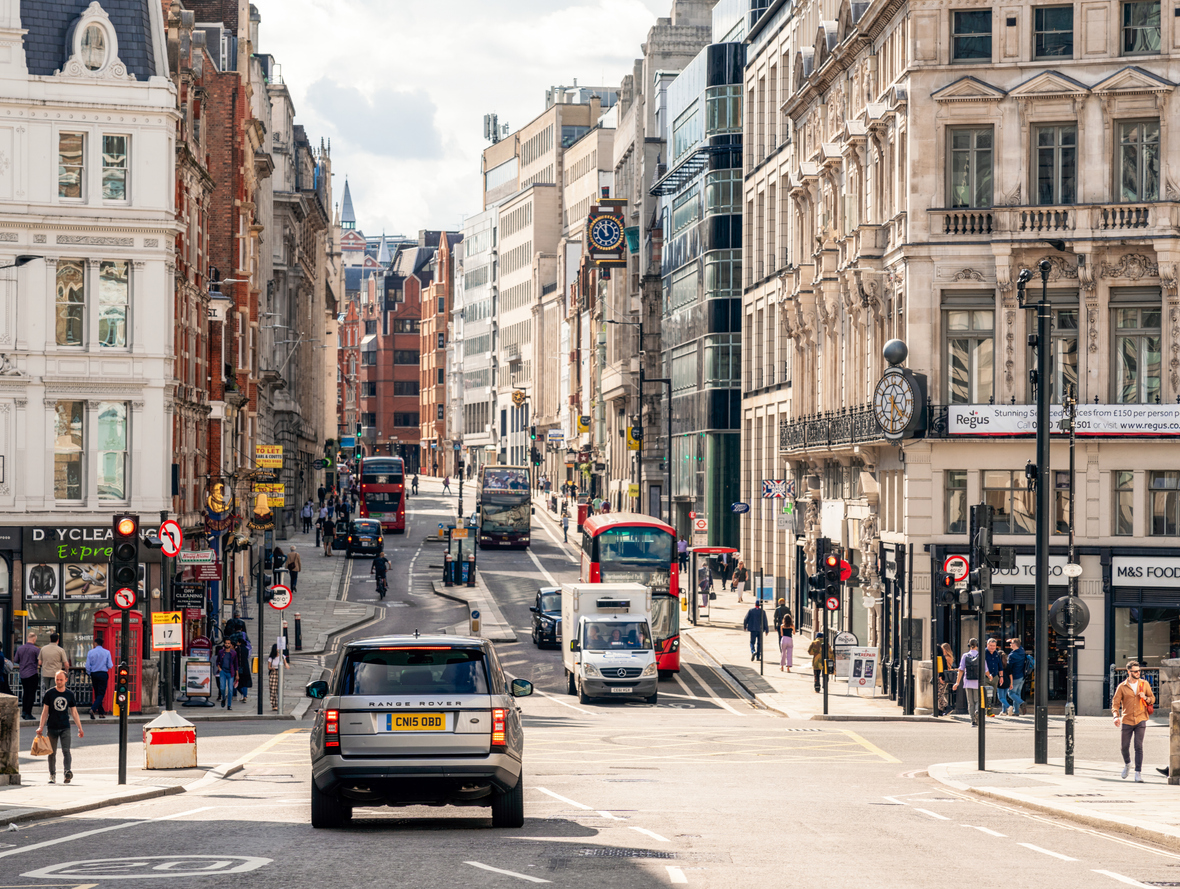
Every day, people walking, cycling, and using other forms of travel share the roads with much larger, faster, and heavier vehicles. Collisions with these vehicles can have serious consequences and often life-changing consequences for vulnerable road users. Recent road safety statistics highlight the particular vulnerability of people who walk and cycle, who account for more than a quarter of road deaths and injuries.
From 15 to 21 November 2026, road safety charity Brake will mark Road Safety Week, its largest annual road safety campaign. This year’s theme, Safe People on the Move, focuses on how we can all help make journeys safer, however we choose to travel.
The campaign reflects an important principle within the Highway Code: those who can cause the greatest harm on the road have the greatest responsibility to reduce the danger they pose to others.
Lawyers at Stewarts are using Road Safety Week to highlight the need to protect vulnerable road users, following the recent case of client John, who suffered life-changing injuries when an articulated lorry turned across his path as he cycled to work. His case demonstrates the devasting consequences road collisions can have and raises a wider question as technology develops. Could improvements in vehicle safety help prevent similar collisions in the future?
John’s story
John was cycling to work when an articulated lorry turned across his path at a roundabout. The lorry struck him and knocked him from his bicycle, causing serious crush injuries to his legs and upper limbs.
The driver only became aware of the collision when a member of the public alerted him.
Despite extensive treatment, John required an amputation and was left with life-changing injuries. Stewarts subsequently secured a seven-figure settlement for him. As a cyclist, John was a vulnerable road user. His experience demonstrates why protecting those at greatest risk of serious injury remains such an important part of road safety. It also shows the potential importance of technologies designs to help drivers detect pedestrians and cyclists, identify vehicles or people in blind spots and respond to hazards sooner.
You can read more about John’s story here.
What might make our roads safer in the future?
In January 2026, the Government published its first Road Safety Strategy in more than a decade. It followed a period in which 22 European countries made greater progress than the UK in reducing road fatalities. The strategy aims to reduce the number of people killed or seriously injured on Great Britain’s roads by 65% by 2035.
It adopts the internationally recognised Safe System approach, which starts from the idea that people will make mistakes and that the human body can withstand only limited force in a collision. Road safety therefore cannot depend solely on individual road users avoiding mistakes. Safe vehicles, appropriate speeds, effective infrastructure, enforcement, and post-collision care all have a part to play in reducing the risk of death or serious injury.
Technology forms an increasingly crucial part of this approach. In July 2026, the government confirmed plans to introduce further safety technologies into Great Britain’s vehicle approval regime. These include systems designed to detect pedestrians and cyclists, warn drivers about distraction or tiredness, identify blind spots and help drivers stay within speed limits.
John’s case demonstrates why technologies such as these have the potential to be significant. System’s capable of identifying a cyclist in a vehicle’s path or alerting a driver to someone in a blind spot could provide another layer of protection for road uses who are vulnerable when a mistake is made.
The challenge of regulating new road technology
The move towards automated vehicles brings issues around regulation and road safety into focus, including how responsibility should be shared between drivers, manufacturers, and those responsible for the technology.
Current developments involving Tesla and Waymo illustrate the challenge regulators face in balancing innovation and commercial pressures with the need for clear evidence that automated driving technology is safe.
Tesla is seeking wider European approval for its driver-assistance technology, Tesla Assisted Driving. The company argues that regulatory delays are preventing potentially life-saving technology from reaching European roads. It has pressed regulators to move more quickly, and encouraged supporters to campaign for faster approval. However, traffic safety researchers who reviewed Tesla’s methodology for Reuters raised concerns about whether the evidence supported Tesla’s claims that the technology was safer than human driving.
Similar questions about safety and regulation are emerging in London.
Waymo is testing its automated driving technology on the capital’s roads as it prepares to introduce a fully autonomous passenger service. The company reports 82% fewer injury-causing collisions than human-driver benchmarks in the United States. However, it remains to be seen whether those results will translate to London’s more complex road environment.
In October 2026, the London Assembly’s Transport Committee said it had not heard enough evidence to support autonomous passenger services and called for greater local oversight, including requirements to report collisions and near misses, provide information about the vehicle’s decision-making leading up to an incident and monitor the impact of autonomous vehicles on traffic and congestion.
These developments showcase the two sides of the road safety debate. Technology could provide powerful new tools for reducing human error and protecting vulnerable road users. However, introducing new technology also requires reliable evidence, strong testing, transparent reporting, and effective regulation.
Keeping people safe on the move
John’s case study is a strong reminder of what is at stake and Road Safety Week is an important reminder that safety must remain at the heart of technological progress.
Automated vehicles show how technology could help reduce human error and make journeys safer, but realising that potential will require reliable evidence, rigorous testing and effective regulation, particularly where vulnerable road users are concerned. Ultimately, progress should be measured not simply by how advanced the technology becomes, but by whether it makes our roads safer for everyone.
For more information on the safety of self-driving vehicles and protecting road users, read Stewarts’ response to the Government’s consultation here.