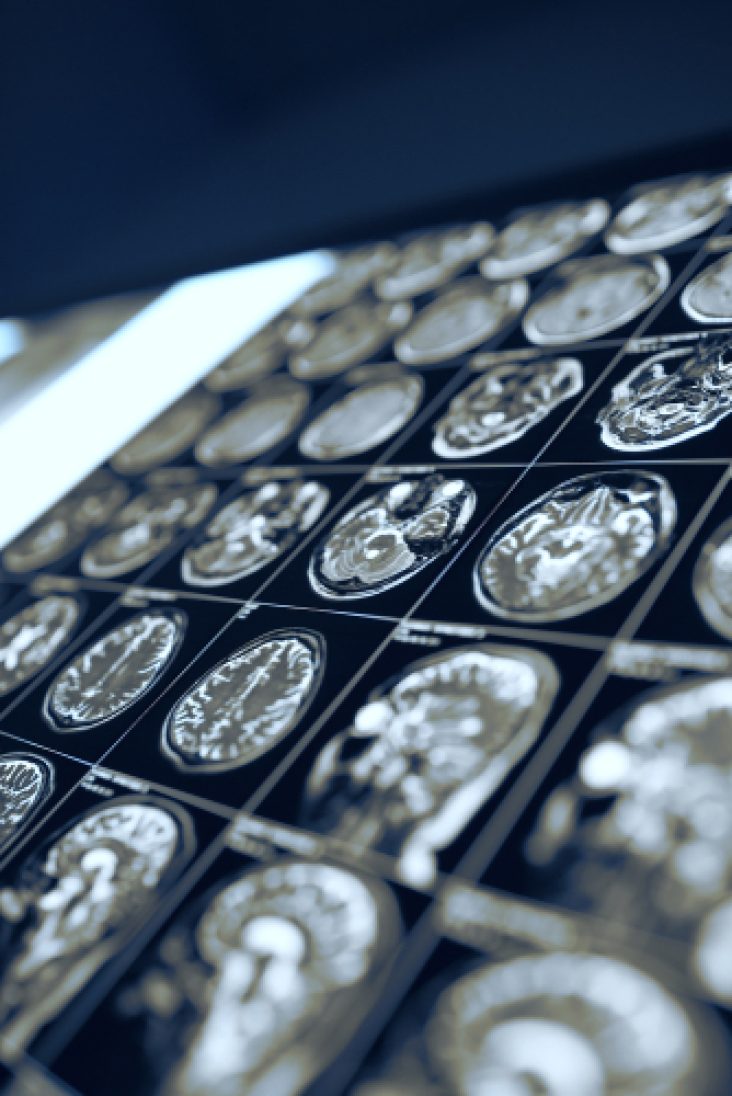
This year’s Action for Brain Injury Week, which takes place from 18 to 24 May, shines a light on the hidden impact of brain injury. In this article, Scott Rigby, a partner in Stewarts’ International Injury team, draws on one of his clients’ experiences to explore the often overlooked isolation that can follow an acquired brain injury and how life can feel disconnected long after the injury.
Isolation after acquired brain injury: the hidden impact
An acquired brain injury (ABI) can affect every aspect of a person’s life. While some consequences may be visible in the early stages, many of the most enduring effects are not. One of the most significant, and least talked about, is isolation.
Isolation after a brain injury is not simply about being alone. It can be social, emotional and physical, leaving people feeling disconnected from society, friends and family and sometimes from their own sense of identity. For many, brain injury becomes a hidden disability, one that others cannot easily see or understand.
A hidden disability
Brain injuries are often invisible to the outside world. Fatigue, memory and concentration difficulties, sensory overload, communication problems or emotional changes may not be obvious to others, yet they shape everyday life.
This invisibility can create painful misunderstandings. When someone looks physically well, there may be an assumption that recovery is complete. For many people living with ABI, this expectation can feel isolating in itself, forcing them to explain, justify or mask difficulties that are very real but unseen.
Many clients tell me they feel invisible after a brain injury. They look ‘fine’, so the world assumes they are fine. But underneath, everything has changed and that hidden struggle can be incredibly lonely.
A client’s experience
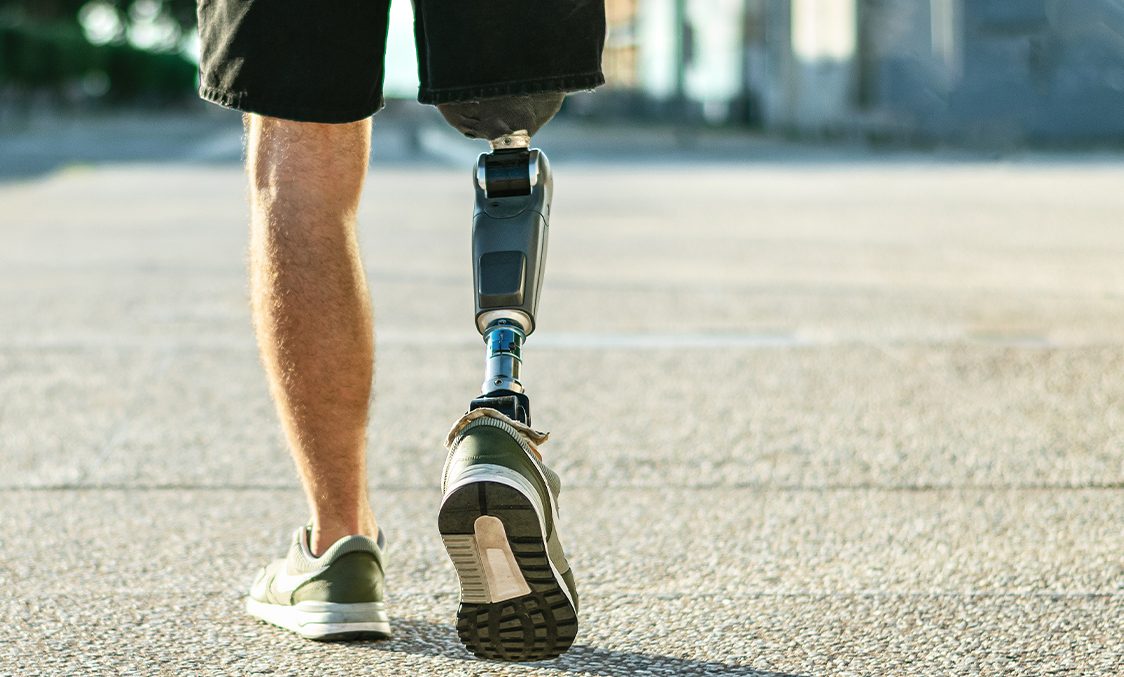
When I began acting for Daniel following a serious road traffic accident, he appeared to have made a good physical recovery. He was walking independently and, to an outsider, looked much as he had before the accident.
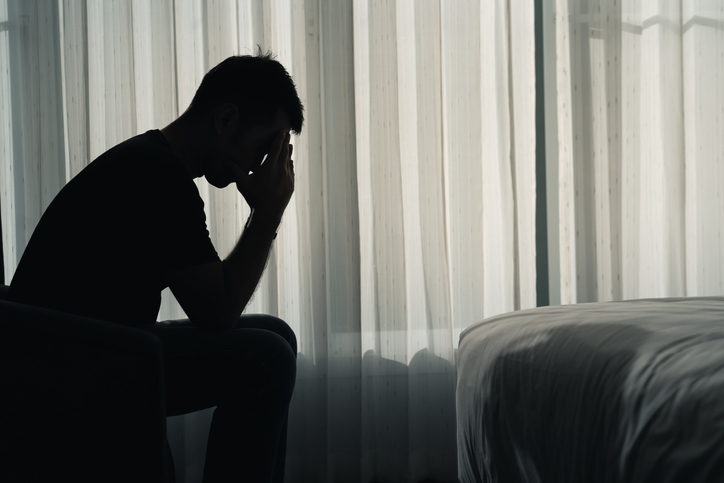
But as his lawyer, I quickly saw a very different picture. Daniel was struggling with cognitive fatigue, difficulty concentrating and heightened sensitivity to everyday noise and social situations. Activities he once enjoyed now left him exhausted. Friends assumed he was ‘back to normal’ and gradually stopped checking in. Despite being surrounded by people, Daniel described feeling profoundly alone. He says: “People looked at me and thought I was better. But inside, I felt completely cut off, like I was still here, but no longer part of the world I used to know.”
Social isolation: when everyday life shrinks
Social isolation is a common consequence of acquired brain injury. Fatigue, difficulty processing conversations or sensitivity to noise and crowds can make social interaction exhausting or overwhelming.
People may stop attending events they once enjoyed. Invitations may gradually fall away. Returning to work may no longer be possible, removing daily structure, identity and social contact. Over time, this can leave individuals feeling disconnected from the world they once belonged to.
Emotional isolation: feeling alone, even when supported
Emotional isolation can be particularly distressing. Many people with brain injuries struggle to articulate what they are experiencing or feel that even those closest to them cannot fully understand how life now feels.
Changes in mood, anxiety or emotional regulation can strain relationships and lead to withdrawal or guilt. Being physically present but emotionally disconnected can leave individuals feeling isolated within their own families and social circles.
Daniel says: “The loneliness wasn’t just being on my own. It was feeling misunderstood. People wanted the old me back, and I didn’t know how to explain that I couldn’t be that person anymore.”
Physical isolation and loss of independence
Physical isolation often develops alongside other challenges. Fatigue, dizziness, seizures or balance problems can make travelling or leaving the house unpredictable. Reliance on others can reduce independence and spontaneity, gradually shrinking someone’s world.
Without the right support, these barriers can deepen isolation and hinder recovery.
The impact on identity and belonging
Isolation after brain injury is not only practical, but it also affects identity. Many people grieve the loss of who they were before the injury: their confidence, role, independence or sense of purpose. Feeling forgotten or misunderstood can be as damaging as the injury itself.
What stays with me as a lawyer is how often clients say they no longer feel part of the world they knew, not because they don’t want connection, but because they don’t feel recognised or understood anymore.
Understanding the hidden impact
Isolation is not inevitable after acquired brain injury, but addressing it requires awareness and understanding. Being listened to, believed and supported, particularly when symptoms are hidden, can make a profound difference.
Specialist rehabilitation, psychological support and peer networks play a vital role in helping people rebuild confidence and meaningful connections on their own terms.
How Stewarts can help
Stewarts understands that the impact of acquired brain injury extends far beyond physical recovery. Our specialist Brain Injury team works closely with clients, families and rehabilitation professionals to secure the treatment, support and funding needed to address every aspect of life after injury, including the hidden and isolating effects that are so often overlooked.