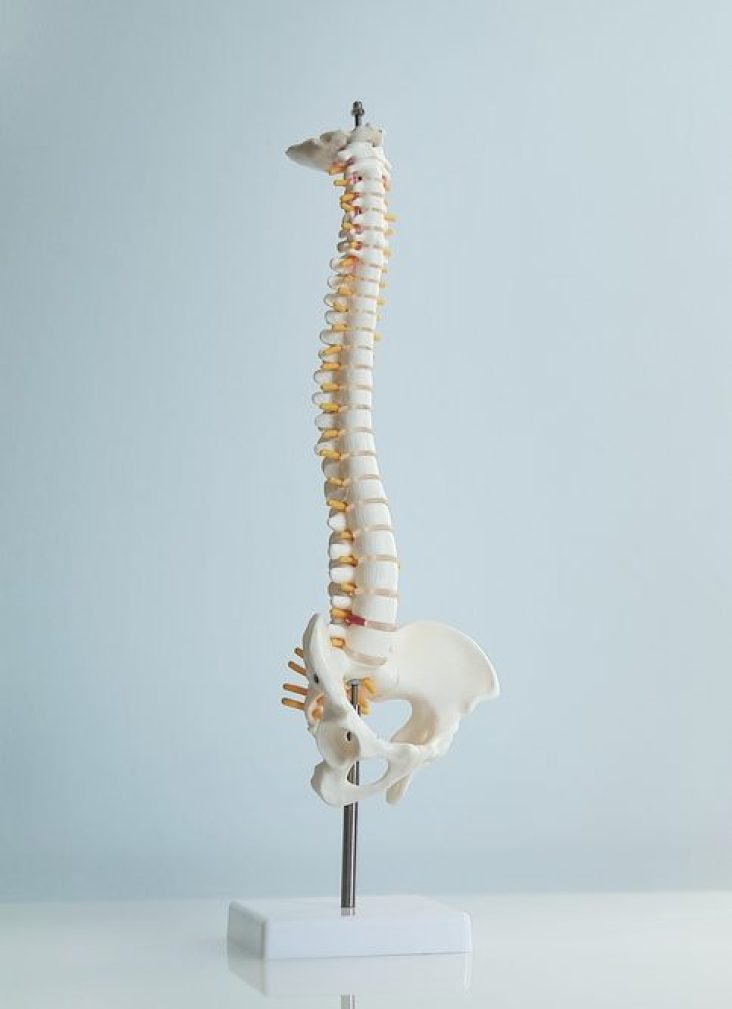
Ahead of Spinal Cord Injury Awareness Day UK on Friday, 15 May, we examine the importance of specialist psychological support for people undergoing rehabilitation from a spinal cord injury.
Given the profound and life-changing physical implications of spinal cord injury (SCI), it is perhaps not surprising that the psychological impact can be overlooked or is down the list of priorities on an individual’s rehabilitation journey. However, the impact of specialist psychological support following SCI should not be underestimated. Global organisations such as UNICEF recognise that Gen Z has a heightened awareness of mental health discourse, and an appreciation of the importance of support, activities and action to manage their mental health. The challenge is identifying when and how best to provide specialist psychological support following SCI, and ensuring the resources and funding are available to maximise its effect.
The legal process, rehabilitation and psychological support
As lawyers specialising in SCI, a central part of our role is to consider our clients’ rehabilitation needs and do all we can to ensure they are met. The Rehabilitation Code provides a framework for us to do so in England and Wales, working with the other party to ensure an individual’s health, quality of life, independence and ability to work are restored, alongside the legal process of establishing third-party liability and assessing compensation. The duty to act in our clients’ best interests means considering their medical or rehabilitation needs and taking steps to ensure they are met. It is not just about using the law to secure a strong outcome in damages for our clients; it is equally important that we are active in ensuring our clients have what they need (where possible) to maximise their physical and psychological recovery and wellbeing following SCI.
Spinal cord injury psychologists and the rehabilitation journey
The recent gathering of the European Spinal Psychologists Association (ESPA) in Murnau, Germany, provided an opportunity to reflect on the role of specialist SCI psychologists as an integral part of the individual’s journey. One of the comments from the opening address at the ESPA conference was: “Patients could not imagine a life worth living but then go on to rebuild their lives in a way that is nothing short of inspiring.”
Specialist psychologists become an integral part of the rehabilitation team, meeting individuals and, where appropriate, their partner and close family early, before working alongside the wider team to help prepare the individual for discharge from the inpatient rehabilitation setting. Specialist spinal cord injury psychologists support individuals in trying to make sense of what has happened and what it means for who they are. They identify early vulnerability, reduce distress and shape systems that enable effective rehabilitation and the rebuilding of an individual’s life. They will support families and partners, who are often adjusting at the same time.
Stewarts’ international injury partner, Chris Deacon, who attended the ESPA conference, noted one message that came through clearly from much of the research presented: “Psychological support is not an optional add-on following SCI: it is central to quality of life, from the first days of inpatient rehabilitation to the long, uneven work of rebuilding identity, relationships and participation in the community.”
Preparing for a return to life at home and in the community
Leaving a specialist SCI rehabilitation centre can bring mixed emotions: relief, excitement, fear and a sense of suddenly being “on your own”. People can feel well supported in hospital and then be shocked by how many barriers exist in everyday environments. Discussions in Murnau noted that no one can be fully prepared for every situation at home, but things like weekend visits before discharge can help people test out what works, spot problems early and return with specific questions. Unfortunately, the all-important weekend visits back home have become increasingly challenging to achieve in the UK, particularly for those with specialist care needs that cannot be implemented before discharge from hospital.
Families and partners require a period of adjustment, too. Roles can change quickly, relationships can be strained, and people may feel pressure to “stay strong” when they are frightened themselves. Practical issues also matter: if relatives can only visit the rehabilitation centre at weekends, they can miss weekday teaching sessions and feel less confident about what to do at home. Psychologists can support families directly, help teams include them in education and work with couples and families on communication and coping.
Returning to friendships, hobbies, parenting, study and work can be a huge part of recovery, and it often takes time. The emotional recovery usually continues long after the most visible parts of physical rehabilitation have progressed to a maintenance phase. Identity is at the centre of this. In the first months, many people start the difficult work of weaving SCI into who they are, alongside changes in roles at home, in friendships and in intimate relationships.
Specialist psychological support can help someone rebuild a sense of self that includes disability, without letting disability become the whole story. With this complex and highly subjective journey in mind, psychologists presenting at the ESPA conference highlighted that low mood can resurface years after injury, particularly when the intensity of inpatient support drops away.
The power of peer support
Peer support is a powerful tool, as president of the European Spinal Cord Injury Federation (ESCIF), Lucy Robinson, passionately demonstrated when giving the keynote talk at the ESPA conference in Murnau. Lucy spoke about the value of support from people who have “been there”. Peers can offer practical tips and an honest reality check that clinical staff cannot always provide, from navigating toilets at a music festival to handling awkward social moments, parenting and dating. This support often helps family members, too.
The power of mindfulness and the potential of technology
One approach discussed in Murnau was mindfulness-based therapy, learning to bring non-judgmental awareness to the present moment. For some people, it can help with anxiety and low mood, and it may support day-to-day pain management. A recent study in the Netherlands found that mindfulness helped bring about an increase in acceptance of SCI consequences and created a greater sense of peace.
Digital options, such as online coaching for long-term pain management, may also help some people stay supported between appointments. There is also a growing body of evidence that virtual reality can be an effective tool. Technology is not a replacement for specialist care, but it has the potential to supplement the work of specialist therapists, including in the field of psychology.
The challenge of meeting specialist psychology needs following SCI
One of the challenges in identifying the needs of SCI patients is the inequality in medical research. There is increasing awareness of what this means for health outcomes across a wide range of medical fields, extending to gender and race. In SCI, the evidence base includes far more men than women. Specialist psychological support will be most effective when it fits the individual, taking account of different life roles, other sources of support and what independence and identity mean for that person.
Some people miss out on specialist rehabilitation because of medical complications or because local pathways are unclear. Ongoing research by clinicians from Australia, Canada, England, the Netherlands and the United States aims to learn from the significant variation in service availability, rehabilitation outcomes and quality of life, which should help inform future improvements in the provision of specialist support. When psychological support is embedded into services and continues after discharge, it reduces the risk that people feel abandoned at the point they need help most.
In the UK, an estimated 105,000 people are living with spinal cord injury. With only 20% of people with a SCI in the UK accessing a specialist centre, not everyone will have easy access to ongoing psychological support. Yet there is likely to be an ongoing need for such support, particularly during the phase when an individual is transitioning back into everyday life following discharge from hospital or inpatient rehabilitation. When specialist psychology is part of SCI care, from early rehabilitation to life in the community, people have a better chance of rebuilding not just function, but quality of life.
Lawyers representing SCI clients should be alert to the importance of specialist psychological support as an integral part of the rehabilitation team they may be involved in setting up with a rehabilitation case manager. They should ensure that their clients’ psychological needs are reviewed at regular intervals and considered not just on a short-term or interim basis, but as part of the lifelong package of needs the final award of compensation aims to meet.
Find out more about Spinal Cord Injury Awareness Day UK.
Find out more
We conduct more spinal cord injury cases than any other law firm in the UK.
If you or a family member have suffered a spinal injury or you would like a second opinion on an ongoing case, please contact us.