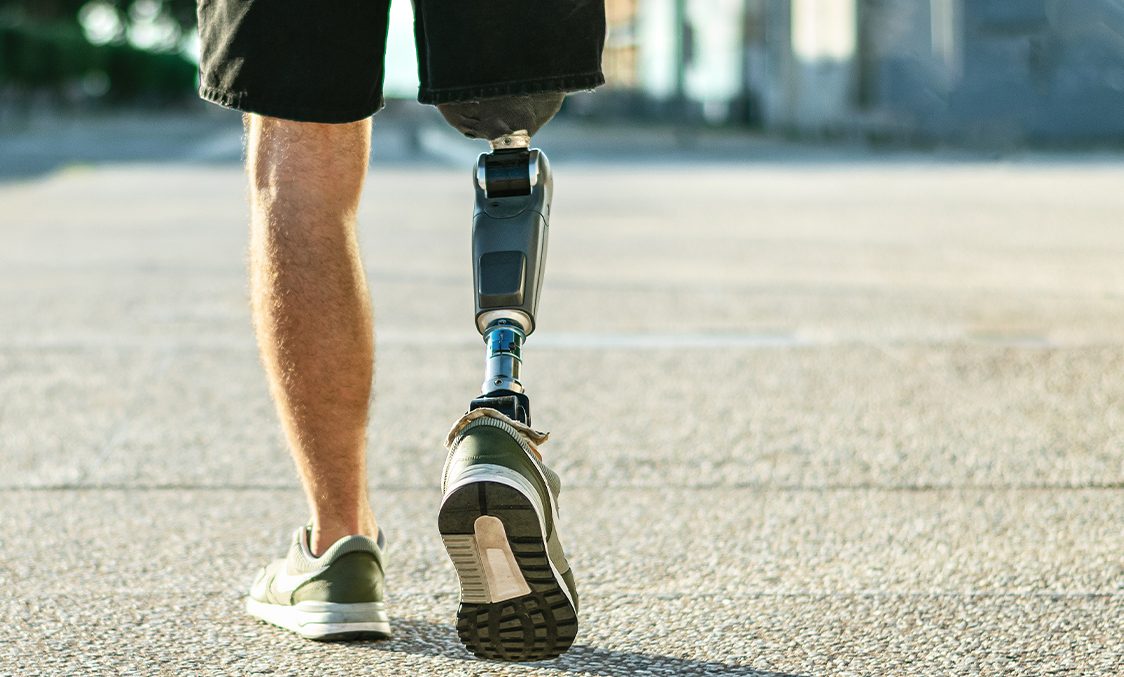
On 17 September 2026, Stewarts hosted its Road to Recovery conference, bringing together leading clinicians, rehabilitation specialists, legal professionals, and charity representatives to explore every stage of an amputee’s journey through the NHS following a traumatic injury. Using a fictional case study of a 20-year-old motorcyclist who sustained a below-knee amputation and other serious injuries in a road traffic collision, speakers examined the pathway from emergency treatment at the roadside through to long-term rehabilitation and prosthetic care.
While the presentations covered different stages of recovery, several key themes emerged throughout the day.
Attendees heard a series of fantastic talks from the speakers, including:
- Dr Michael Hughes – Consultant HEMS Doctor with Yorkshire Air Ambulance and Leeds Teaching Hospitals.
- Mr David Leonard – Consultant Plastic, Reconstructive and Hand Surgeon at Leeds Teaching Hospitals.
- Dr Louise Johnson – Consultant Clinical Psychologist at Leeds Major Trauma Centre
- Haleigh Renardson – Lead Major Trauma Nurse Specialist at Leeds Major Trauma Centre.
- Liz Wharmby – Lead Physiotherapist for Major Trauma and Plastics at Leeds Major Trauma Centre.
- Sophie Racz – Clinical Lead Physiotherapist at Manchester University NHS FT, specialising in amputee and prosthetic rehabilitation
- Steven Carter – Clinical Services Manager for Prosthetics at Leeds Teaching Hospitals
- David Rose – Chair of the Limbless Association
Recovery starts before rehabilitation
One of the messages from the conference was that long-term outcomes are influenced by the first 60 minutes following an injury. Speaker, Dr Hughes Michael Hughes, consultant HEMS doctor with Yorkshire Air Ambulance and Leeds Teaching Hospitals, stressed the importance of the golden hour after trauma, when emergency roadside medical interventions can have a significant impact on survival, future mobility and rehabilitation potential.
Equally, Mr David Leonard, consultant plastic, reconstructive and hand surgeon at Leeds Teaching Hospitals, emphasised that treatment planning must look beyond the immediate injury, with rehabilitation goals and future function considered from the outset, even in pressurised emergency settings and during surgery.
Successful outcomes rely on multidisciplinary care
Throughout the conference, speakers reinforced that recovery from traumatic amputation is not responsibility of any single clinician or service. From emergency medicine, surgery and nursing care through to psychology, physiotherapy, prosthetics, and community support successful rehabilitation depends collaboration across multiple disciplines.
For instance, speaker Dr Louise Johnson, consultant clinical physiologist at Leeds Major Trauma Centre, outlines the importance of recognising the emotional and psychological consequences of traumatic injury and ensuring that psychological support is embedded within rehabilitation, rather than treated as a separate consideration.
Rehabilitation is highly individualised
The conference challenged the idea of a standard recovery pathway. Speakers demonstrated that rehabilitation must be tailored to the needs, priorities and personal goals of everyone.
Steven Carter, clinical services manager for prosthetics at Leeds Teaching Hospitals, spoke about the pathway through Leed’s specialist prosthetic service, highlighting that the factors considered when selecting the most appropriate prosthetic device are highly individual and dependent on each patient’s goals. He provided inspiring examples of patients who, even at the expense of some day-to-day functionality, prioritised prostheses that enables them to continue participating in the hobbies they had enjoyed before their accident.
Early support and specialist legal advice can make a difference
Another key takeaway, provided by Kara Smith and Chris Smith, was the value of early support and the right legal advice, whether in relation to a personal injury or medical negligence claim in the UK or abroad. They explained the importance of seeking advice even when, from a lay perspective, there appears to be little prospect of a successful claim.
If you are seeking legal advice, you can speak to the Personal Injury team at Stewarts whenever you are ready. You may be at the very start, still trying to make sense of things. Or perhaps you already have a claim underway, and you feel your solicitor is not giving you the specialist advice your case requires. We always offer a free initial consultation so you can understand whether you have a claim and what it would involve.
Patient story: David Rose
The conference concluded with an inspiring patient perspective from David Rose, chair of the Limbless Association, who underwent a lower limb amputation following a road traffic collision in the 1970s. David reflected on the case study of the day and how similar it was to his own experience. He discussed the response of the emergency services, his surgery, the follow-up care he received, and how motivated he was to return to doing the things he enjoyed, including playing sport. He also touched upon the progress that has been made to amputee rehabilitation since he sustained his injuries and the level of support that is available to amputees today.
Thank you to the conference’s sponsors Active Care Group, Kings Chambers, Wrigleys Solicitors, and Proactive Prosthetics, to Evelyn Partners for their assistance with the venue, and to the speakers and attendees, as well as those who donated in support of the Limbless Association.