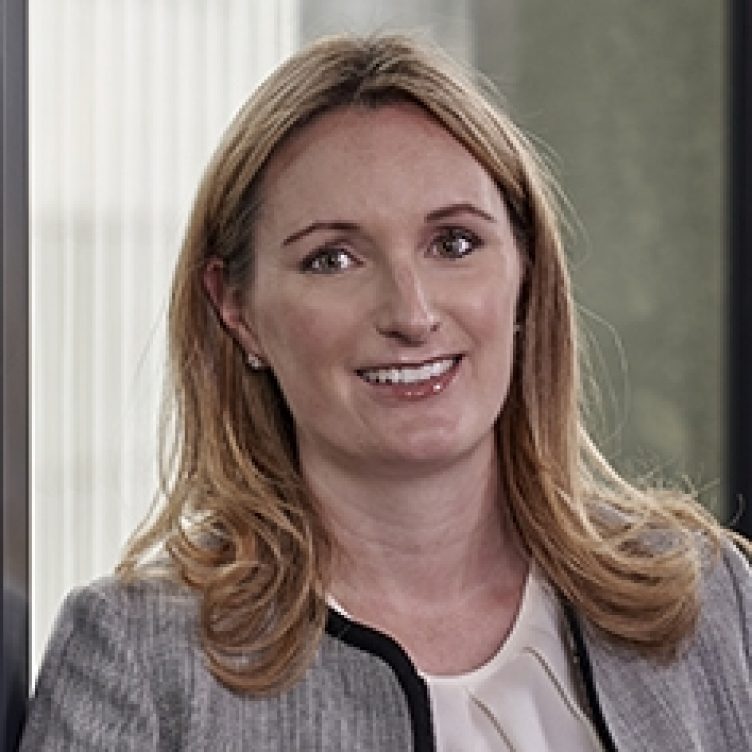
An inquest into the death of Chanel Thompson who died in July 2025, found that inadequate mental health monitoring was a factor in her death. The Coroner concluded that Chanel died as a consequence of pneumonia secondary to suffering a brain injury caused by a cardiac arrest on 23 December 2024 at the Accident and Emergency (A&E) department at Barnet Hospital. Partner Alison Goldney and associate Melissa Gilbert represented the family at the inquest with Dr David Haines of Outer Temple Chambers acting as Counsel. The inquest was covered by BBC London News and ITV London News.
Background
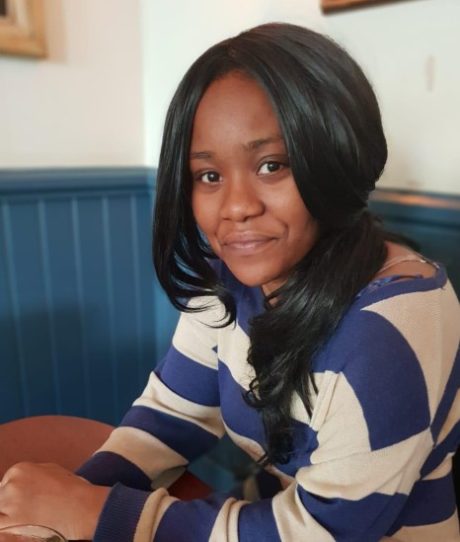
 Chanel Thompson, was 37 years old when she died on 16 July 2025, following an unwitnessed cardiac arrest whilst in the care of the Royal Free London NHS Foundation Trust.
On Sunday 22 December 2024, Chanel was taken to Barnet Hospitals’ A&E department. Earlier that day, her family had grown concerned when she didn’t answer the door to her flat, prompting two calls to the ambulance service and one to the fire brigade. She was ultimately conveyed to A&E by ambulance at 17:45, following their initial call at 13:53.
She was found barely conscious and unable to move, her sisters said she appeared to be in “a state of frozen confusion”, a presentation they had never seen her in before. Observations on arrival to the A&E noted that Chanel had a rapid heartrate.
The following morning, Chanel – who spent the night in the A&E department and remained in a mute, minimally responsive state – was found by a staff nurse to have no pulse. The emergency buzzer was pressed and CPR commenced; Chanel had suffered an unwitnessed cardiac arrest. She had been assessed as requiring admission under the Mental Health Act, but with no beds available, she remained in the department and was recommended to be under one‑to‑one observation.
Due to the absence of contemporaneous notes or direct supervision, the precise point at which Chanel went into cardiac arrest cannot be established. However, it is estimated that approximately 17 minutes after the emergency buzzer was pressed, spontaneous circulation was restored. By that stage, the prolonged period without adequate oxygen had already caused a hypoxic brain injury, leaving her with an extremely poor prognosis for recovery.
After seven months of treatment and attempts at rehabilitation, doctors concluded that it was no longer in her best interest to continue treatment. She was moved to an end-of-life pathway, and clinically assisted nutrition and hydration was withdrawn. Chanel passed away in hospital on 16 July 2025.
Inquest findings
On admission to Barnet Hospital, Chanel had been medically optimised in terms of physical health and was waiting for a mental health bed to become available. The plan was for her to be observed by a mental health nurse on a one-to-one but this was not actioned. Evidence presented at the inquest indicated that on two separate occasions Chanel was found slumped in her chair, appearing to be falling from her seat. On the second occasion, two nurses were required to reposition her. However, because contemporaneous notes were not made, the precise timings of these incidents cannot be confirmed.
The inquest heard that, despite the A&E department being busy at the time, Chanel had to wait for additional clinical staff to become available before she could be moved to the floor, where effective CPR could be properly carried out.
Independent expert evidence was provided by a consultant in Emergency Medicine and Prehospital Care, who emphasised that every minute during resuscitation is critical for achieving a favourable neurological outcome. They explained that after approximately four minutes without oxygen, neurons in the brain begin to suffer irreversible damage. If it had, the Coroner found that it is possible (not probable) that it could have made a material difference to the outcome.
The inquest highlighted inadequate record keeping, inadequate monitoring of Chanel following her admission, and over reliance on ‘bank’ specialist mental health nurses. At this time bank shifts could not be approved by a senior charge nurse due to tight written control regarding budgeting.
At the time of Chanel’s cardiac event, the hospital relied heavily on agency mental health nurses. A&E was busy with patients requiring mental health care – seven patients in total and only two mental health nurses overnight. These two mental health nurses had already been allocated to care for other patients. A request to an agency had to be made to get more mental health nurses but they were unable to find any staff. It resulted in an inadequate number of mental health nurses to deal with the patients they had.
For a hospital that employs around 1,900, it’s difficult to understand why they didn’t employ any specialist mental health nurses at that time.
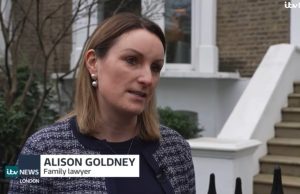 Alison Goldney, Medical Negligence partner at Stewarts, is the solicitor representing the family. She says: “We would like to thank Coroner Murphy for his investigation into Chanel’s death. Chanel’s family, unfortunately still do not have clarity around the sequence of events leading to the cardiac arrest due to the poor record keeping. It remains unclear what happened in the period she was left unmonitored in A&E, and concerns have been raised over witness statements that claim there was a delay in commencing CPR.
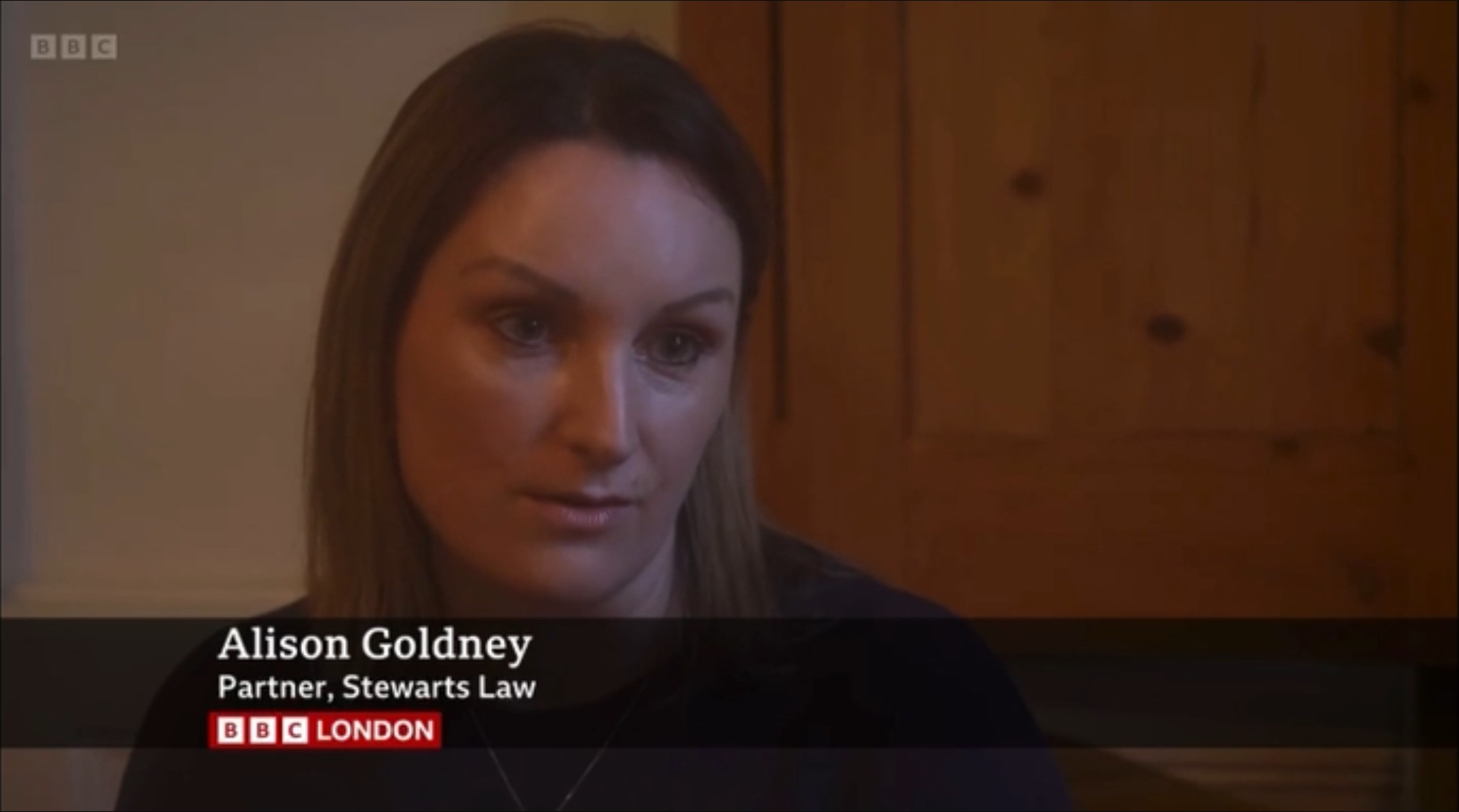 ”We are pleased to know that the Trust has made changes since Chanel’s death and now hires more dedicated mental health staff including a mental health matron to oversee the care patients receive. It brings some comfort to know that other patients will have more joined up care, and hopefully no other family will need to go through what they have.”
Mental Health Nurse staffing
A 2023 report revealed that there were 28,000 vacancies in mental health services, representing 19% of the total workforce. On 29 January 2026, the latest CQC report, Monitoring the Mental Health Act, found that there continues to be “systemic challenges” within recruitment and retention of staff, with 9% of roles in mental health trusts in the NHS unfulfilled in March 2025. This follows a previous report published in March 2024, that highlighted understaffing having an impact on the quality and safety of care for mental health patients. It also highlighted the risks of an overreliance on agency or bank staff. Vacancies in mental health services are higher than those in other sectors of the NHS, according to a Kings’s Trust report published in 2024.
Chanel’s family
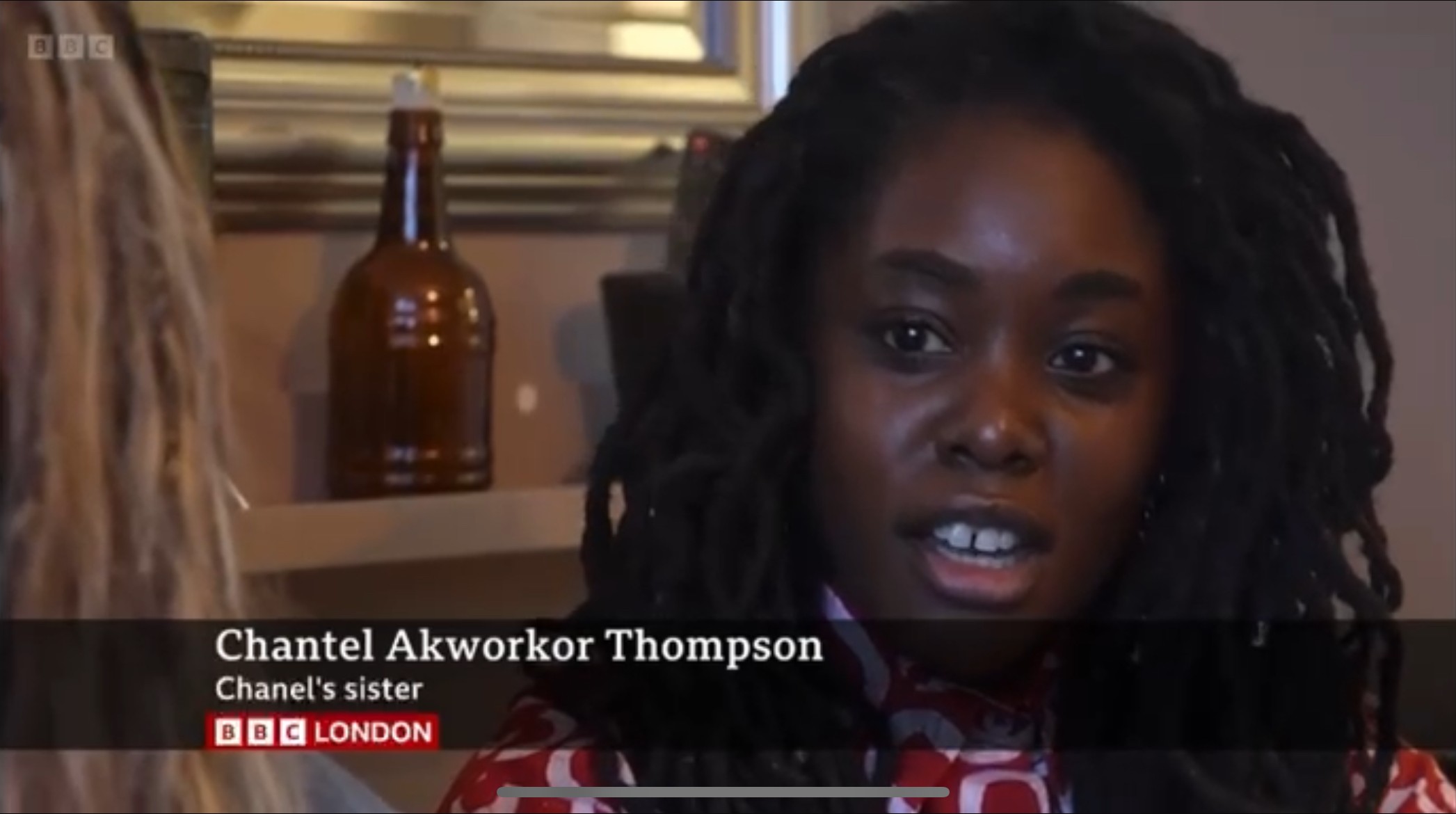 Chanel’s family believe she was pigeon-holed into presenting with mental health problems at A&E, and that the physical aspects of her condition appear to have been sidelined. She presented at A&E with a rapid heart rate but was overall, quiet and seemed confused.
An assessment on arrival at A&E concluded that she needed to be sectioned under the Mental Health Act, and so she remained in A&E whilst a bed was found for her. She was put on one-to-one observations, however this was never implemented, and the family say it feels like she was abandoned.
Only two days before Chanel’s admittance to A&E, she enjoyed a night at the theatre with her twin sister, Chantel, sisters Muriel and Krystel, and three friends. Before her death, she had been volunteering part-time at a local toy library.
Chanel was an intrinsic part of a tight-knit family, who describe her as a loving, thoughtful, and determined person who was deeply invested in the relationships she had with family and friends. She leaves behind her parents, five siblings, and three nieces and one nephew whom she loved dearly. Her death has had a profound impact on all of them.
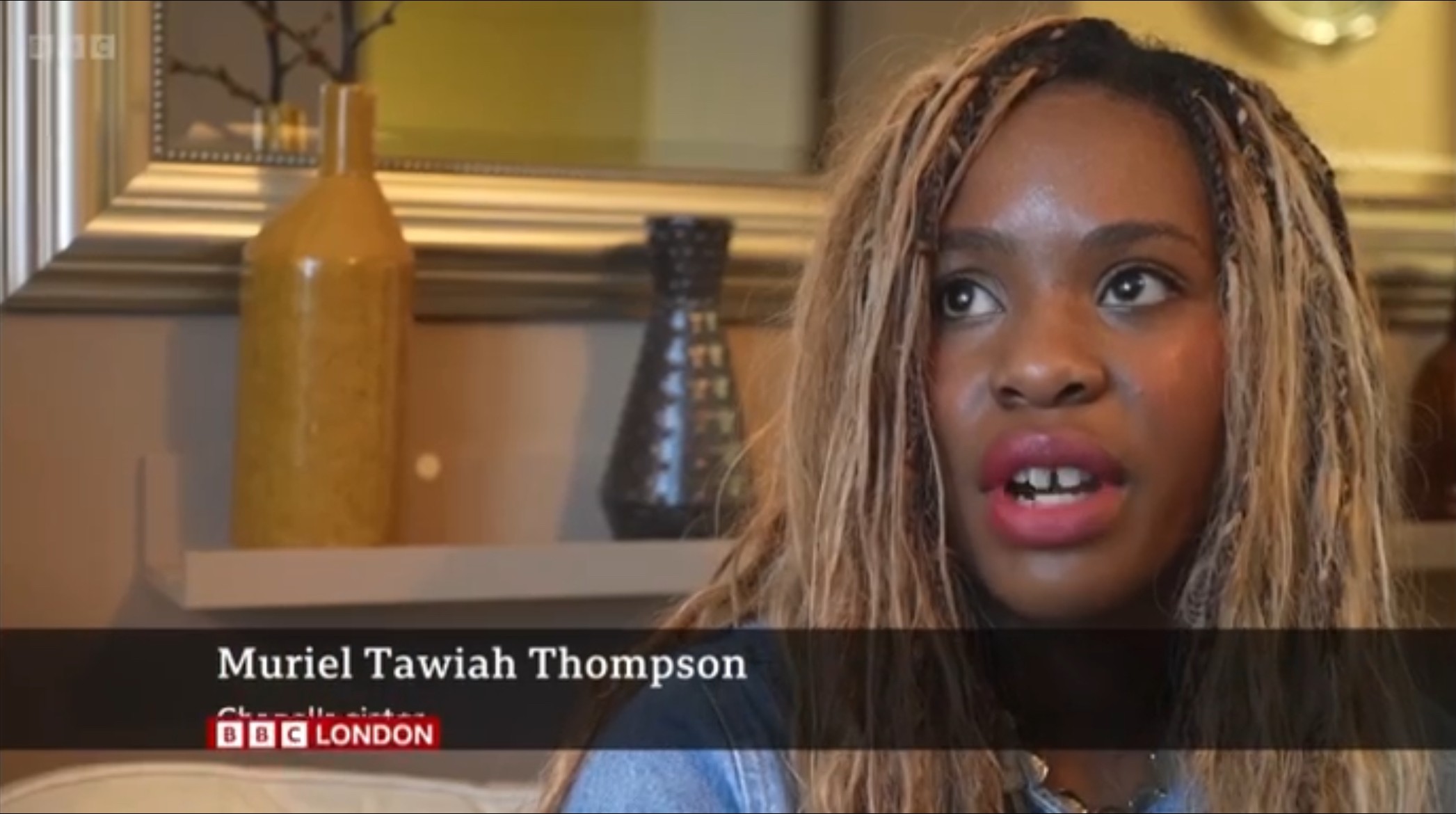
Muriel Thompson, Chanel’s sister comments:
“If you’re in A&E and under close one-to-one supervision, how can you suffer a cardiac arrest without anyone noticing?
“The Trust has admitted the department was busy and that Christmas is a particularly demanding time for mental health presentations. Yet despite knowing this, they were not adequately staffed.
“It is devastating that our concerns have, in some ways, become a reality. This has already happened to others, and it could happen again if the right systems are not put in place.
“Chanel was a much-loved daughter, sister and aunty, and a trusted friend to many. She was young, physically healthy, and managing her mental health. She had her whole life ahead of her.
“Her death has left a deep and lasting void in our family. No other family should have to experience this.”
You can find further information regarding our expertise, experience and team on our Medical Negligence page.
If you require assistance from our team, please contact us.