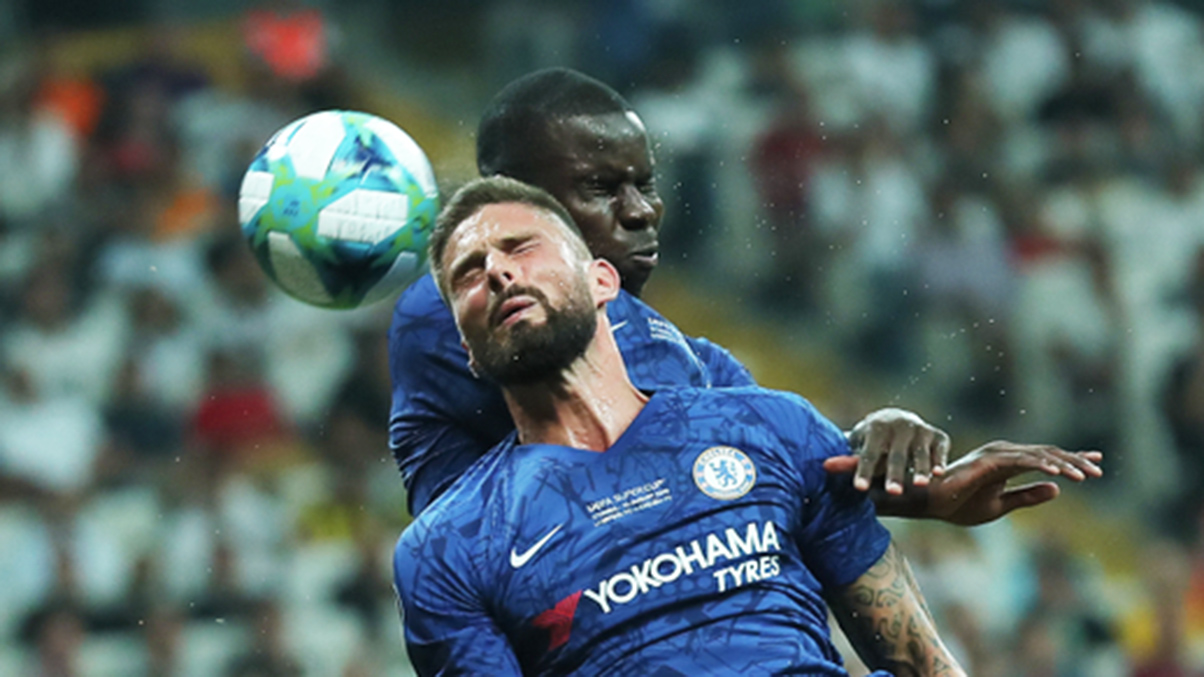
Brain injuries in contact sports have become one of the most serious issues facing athletes today. The recent inquest into Gordon McQueen’s death, in which Prof. Willie Stewart gave evidence highlighting the causal link between chronic traumatic encephalopathy (CTE) and repetitive head impacts, has only sharpened the focus on this issue. Whether you play rugby, football, boxing, cycling or any other high‑impact sport, a head injury can end a career and have lifelong medical consequences.
Personal Injury partner Chris Smith explains the support available to injured sportspeople and how they can seek compensation for their injuries.
If you’ve sustained a concussion, traumatic brain injury or a worsening of symptoms due to the mismanagement of head trauma, you may be entitled to compensation and specialist rehabilitation support. This guide explains the risks, your legal rights, recent case law and the medical pathways available to help you recover.
What counts as a brain injury in sport?
Brain injury in sport could be an acute injury arising from a single incident of a blow to the head, or the cumulative effect of repeated impacts, including those that are not symptomatic at the time but can still lead to injury.
Such injuries can cause harm that are likely to be irreversible and could, in certain circumstances, lead to significant symptoms in later life.
Which sports come with the highest risk of brain injury?
Many sporting activities can lead to a brain injury if the participant is in the wrong place at the wrong time. Rugby and football players are probably the most at risk sportspeople in the UK, along with their counterparts in American football and Australian rules football, but the risk isn’t limited to these sports alone. Head injuries can occur in almost any contact sport.
The good news is that whether it’s in grassroots or elite-level sports, awareness of head injuries and the risk to health generally has increased in the last decade. The Football Association has introduced concussion guidelines of ‘if in doubt, sit them out’ and rugby’s governing body, the RFU, has launched HEADCASE, its concussion protocols.
To help sportspeople minimise the risk of serious injury, education is vital at all levels to go alongside consistent implementation of the guidance. Each season in Premier League football there are high profile examples of concussion incidents and this is clearly a point that needs to be further addressed. Temporary concussion substitutions seem like a sensible next step in improving safety in football.
Can you claim compensation for a brain injury sustained in sport?
At Stewarts our injury team acts for individuals who have sustained career-altering injuries during competition, training or in other sport-related incidents. Our cases relate to a variety of sports including athletics, boxing, cycling, football, horseracing, motorsport, rugby, skiing and ice hockey.
What legal duties do coaches, clubs, and governing bodies have?
The legal duties that coaches, clubs, and governing bodies have towards their respective sportspeople are different, for a number of reasons.
In the case of employed sportspeople, their employers (e.g clubs) have an overarching duty to take reasonable care for their safety and to not subject them to unnecessary risk. For employers, these duties are non-delegable, in that they cannot delegate their liabilities to a third party (such as a regulator).
Clubs (and by extension coaches), as employers, have the power to direct their sportspeople’s activities, including during training sessions. In the context of head injuries, they are actively involved in and control the extent to which a player trains and competes; how that player’s head is protected from blows/repeated impacts; and how long they should be rested following concussions and the like.
It may also be argued that the regulators have their own duty to sportspeople: to take reasonable steps to adequately protect them from the risks associated with head injuries, including through the mandating of training methods, head injury protocols and the like.
Key case law: what the Czernuszka v King judgment means for injured players
The case of Czernuszka v King (2023) EWHC 380 (KB) was potentially game-changing and looked at the duty of care owed for injuries sustained during a rugby game. In her first competitive game of rugby, the claimant sustained a T10 ASIA B spinal cord injury, leaving her paralysed from the waist down.
The judge held that the tackle executed by the defendant in the case was a reckless and dangerous act, falling below an acceptable standard of fair play and in doing so they failed to exercise such a degree of care as was appropriate in all the circumstances. The defendant was held liable to the claimant for the injuries sustained.
What if your injury was made worse by medical negligence?
Failure to properly diagnose, treat or manage medical issues arising from a sporting incident can also lead to serious injury. As well as for injuries sustained within the game itself, Stewarts acts for sportspeople who have experienced life-changing injuries because of medical negligence and failure to treat injuries to an acceptable standard.
What rehabilitation support is available after a sports‑related brain injury?
Fortunately, there have been rapid advances in neurological rehabilitation in the last few years, with increasing access to specialist facilities via both the NHS and the private sector. We are especially fortunate to have several state-of-the-art facilities on our doorstep in Yorkshire.
Brain injury rehabilitation requires a holistic approach as every individual has different needs, and what rehabilitation looks like varies from person to person.
Stewarts acted on behalf of a talented sportsman who played football for a county league first team and was also a promising cricketer. He sustained serious brain and knee injuries: not in the course of play, but in a road accident. His rehabilitation required a wide multidisciplinary approach and following significant progress in his physical recovery he began training with a professional football coach, under the guidance of his physiotherapist.
The physiotherapist then worked collaboratively with his neuropsychologist to support him in developing strategies for his play on the pitch, helping him slow down his thinking and assess each of his movements. Following successful rehabilitation, he was able to return to competitive football.
Chris has also been fortunate enough to get to know Steve Thompson, the former England rugby union international and World Cup winner in recent years. Steve was diagnosed with early onset dementia in 2020. He has been at the forefront of campaigning for player welfare and has pledged his brain to the Concussion Legacy Project, which investigates the consequences of brain trauma. Through his own Head On Foundation, Steve is looking to support those who have sustained dementia and traumatic brain injury.
What should you do if you suspect a brain injury after sport?
If you suspect you might have sustained a brain or head injury while playing sport, take expert advice, be that legal and/or medical. Not everyone who has sustained an injury will have a compensation claim, but thankfully the world of sport is starting to do more.
How our specialist sports injury lawyers can help
As part of ongoing discussions with the Premier League, The FA, EFL and LMA, the Professional Footballers Association is undertaking a consultation to try and establish an industry-wide care fund to support players living with dementia and other neurodegenerative conditions. Brain injury charities also do a great job of providing advice and guidance for people who have sustained a brain injury in sport and their families, so they have somewhere to turn for support.
If you’ve sustained a brain or head injury in sport, speak to our specialist injury team. We can assess whether you have a claim and help you access the rehabilitation support you need.