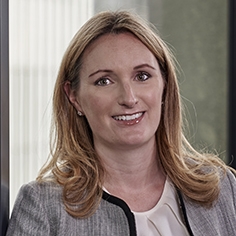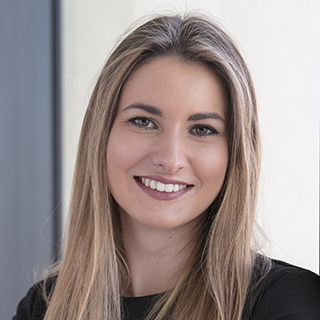
Stewarts helped our client, AB, secure a £3m settlement after mistakes in her medical care led to a delayed cancer diagnosis and her permanent paralysis. The settlement was reached shortly before the case was due to go to trial in the High Court. Partner Alison Goldney, and senior paralegal Mariam Hadad review AB’s case.
Background
In 2017, our client, AB, a 42 year old mother of two, who worked as a carer, was diagnosed with a tumour near her spine. She was placed under hospital monitoring, and in January 2018, she had an MRI scan to check for any changes. She was told the scan showed no cause for concern.
Sadly, this was not the case. The scan did, in fact, show small but important changes that should have alerted doctors to the possibility of cancer. It later transpired that AB had a Ewing sarcoma, but the negligent report on her scan led to a delay in her cancer diagnosis.
As a result of the scan not being properly reported, AB was not referred for urgent specialist care. She then sustained a neurological deterioration as a result of compression of the cauda equina nerves, a group of nerves at the base of the spinal cord. This caused AB to develop Cauda Equina Syndrome, a debilitating condition that often results in permanent damage affecting bladder, bowel and sexual function, as well as significant pain and mobility issues.
Senior associate, Emily Goddard, undertook the initial investigations prior to the claim being issued at the High Court, following which, Alison Goldney took over conduct of the case.
The NHS trust’s response
The NHS trust responsible for the hospital that treated AB denied that any mistakes had been made. It argued that the MRI scan had been properly reported and that even if it had been reported sooner and with suspicion of malignancy, it would not have changed AB’s outcome.
Preparation before trial
The case was due to go to trial in the High Court in April 2026. Expert doctors from both sides were required to meet and discuss the case, but these discussions were repeatedly delayed by the defendant and only took place very close to the trial date.
During those discussions, the neurosurgeon instructed by AB changed his view from that set out in his report and agreed with the defendant’s expert that if cancer had been suspected earlier, AB would have been urgently referred to a specialist sarcoma cancer team. However, neither expert could say what treatment would then have been offered or whether that treatment could have prevented the paralysis, as it was outside their area of expertise. This left a serious gap in the evidence.
To deal with this, we acted quickly and instructed a specialist spinal sarcoma expert, who reported within a week. The expert confirmed that earlier referral and treatment would likely have prevented AB’s devastating outcome.
As a result of the trial being only two weeks away, we urgently applied to the High Court for permission to rely on this new expert evidence and to deal with the part of the case relating to establishing whether a breach of duty had caused our client’s injury at a later stage.
Therefore, the April trial would just be to determine whether the MRI scan had been reported correctly and in a timely manner.
The High Court’s decision
The application was heard just one week before the trial. Although the defendant argued it was too late, the judge accepted that the situation had arisen through no fault of AB and that refusing the application could lead to an unfair result.
The court allowed the application to proceed. This decision significantly strengthened AB’s position.
Reaching settlement
Shortly after the court’s ruling, the case settled for £3m. This avoided the need for a trial and ensured that AB received compensation without further delay.
AB had been living in inappropriate housing for many years, with her bedroom located upstairs, which was extremely dangerous in light of her significant mobility issues. Within three days of the settlement, AB had an offer accepted on a bungalow, which she described as her “dream home by the sea”.
The settlement will help provide long term security and ensure she has care and therapies for the rest of her life. She is looking forward to moving forward with her life, with the security of suitable accommodation, equipment and care.
William Audland KC and Isaac Hogarth of 12 King’s Bench Walk acted as counsel on AB’s behalf.
Client testimonial
“Alison Goldney and Emily Goddard were excellent throughout. Their professionalism and legal expertise were fantastic, and I always felt supported. I was kept in the loop at every stage and consistently informed about what was happening. Although I have not been able to return to the activities I enjoyed before my injury, as I still experience problems with my back, the settlement has changed my life. It has allowed me to buy a bungalow by the sea, all on one level, and given me the security of being able to pay the bills without constant worry. The chance to move has been a dream come true, as it is something I have always wanted. The settlement has changed my life in a more positive way. Everyone I spoke to at Stewarts was lovely. They were very professional, easy to talk to and great at listening.”
Supporting life beyond injury
This case shows how decisive legal action, taken at the right moment, can make a vital difference. Stewarts is committed to supporting people whose lives have been changed by serious injury, helping them secure the resources they need to move forward and focus on life beyond injury.