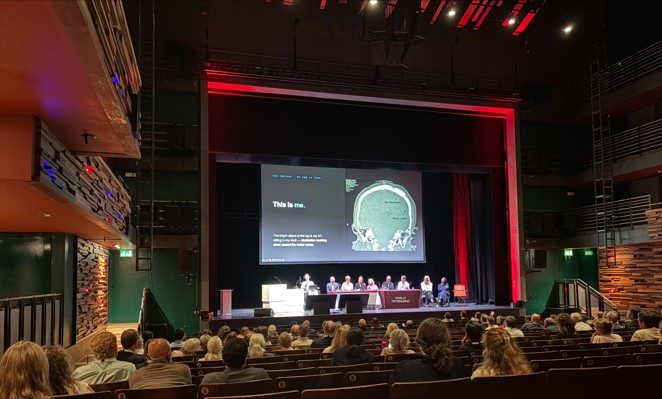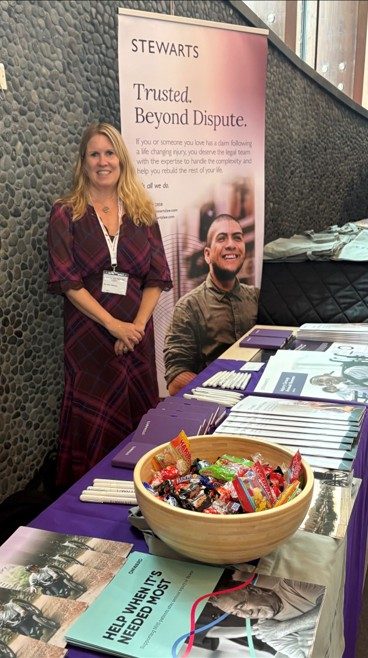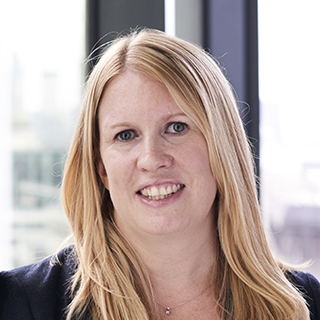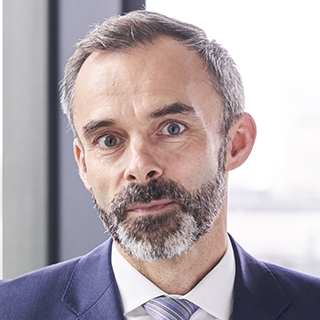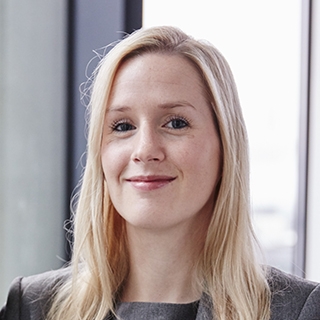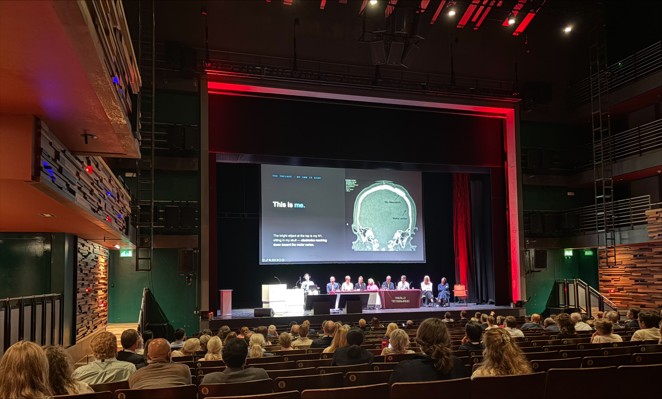
The World Tetrahand Congress 2026 took place this year in Aylesbury from 21 to 23 September 2026. In this article, Stewarts’ delegates Clare Salmon, Julian Chamberlayne, Katherine Fitter and Nadia Krueger-Young share their insights.
Stewarts was proud to be the headline sponsor of the conference, which brought together leading clinicians, researchers, and healthcare professionals from around the world in the field of tetra hand, treatment to restore upper limb function in tetraplegia. This provided a unique platform for high-level knowledge exchange and innovation.
Sessions focused on reconstructing upper limb function in those with cervical spinal injury and tetraplegia, with internationally renowned experts in the surgical reconstruction of peripheral nerves providing their insights into best practice and innovation.
The conference also heard from Stewarts’ partners Clare Salmon and Julian Chamberlayne, who presented a unique data backed study of outcomes for clients of the firm with compensation claims for spinal cord injury and on the value of early specialist legal input and compensation in England and for international claims.
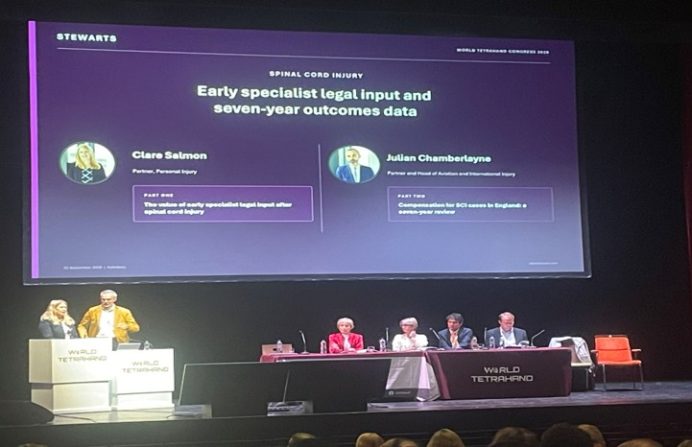
Julian presented data insights from the 206 spinal cord injury cases that Stewarts successfully concluded between 2019 and 2026, including £789m recovered for those SCI clients, which was an average of over 108k per year of past and future losses. This data also revealed that 85% of the compensation recovered for spinal cord injured clients was to meet future needs, the most significant need being care. Just 7% of the compensation recovered represented damages for pain, suffering, and loss of amenity, representing the low levels allowed under English law.
Clare spoke of the importance of early pro bono support services for patients who have suffered traumatic and non-traumatic injuries. Stewarts’ pro bono service helps patients with financial support, welfare benefits, insurance policies, and signposting to charity and peer support organisations to help narrow the gap between those with access to private compensation funds and those who do not.
Our key takeaways from the surgical presentations at the conference included:
- Upper limb reconstruction is still rare in the UK, and even in the US and Canada it is only performed in 1-8% of potentially eligible patients
- Tendon transfers work instantly and nerve transfers take time to work but can lead to excellent function
- Nerve transfers have a bigger impact for those with Medical Research Group (MRC) group 4-5 muscle power in the donor nerve
- Nerve transfers are best done in the first 12 months, but the earlier the better, ideally at six months, before denervation
- It is important to listen to the patient to understand which lost and preserved functions they value most, to ensure that any surgery targets what matters to them. Smartphone use is a key example of a type of function that has changed patients’ priorities
- The timing of surgery needs to be led by the patient’s mental state and their ability to weigh up the pros and cons
- Going back into hospital for a major operation years after a patient’s initial admission is emotional and mentally very difficult. Therapeutic support is essential
- Children have more neuroplasticity, so they recover function quickly after nerve transfers. Caution is needed with tendon transfers when they are still growing and sometimes it is necessary to wait until they are older to ensure rehabilitation compliance.
The conference also heard about advances in neurotechnology, including a demonstration by Sebastian Gomez-Pena, one of only two people in the UK to have a Neuralink implant. Sebastian demonstrated how he can control and move a cursor on his computer through the implanted chip reading his thoughts. Sebastian described how the surgery, which took place at the National Hospital for Neurology & Neurosurgery, Queen Square, was performed with a Neuralink Robot, known as the R1, to help neurosurgeons insert the device 4mm into his brain tissue.