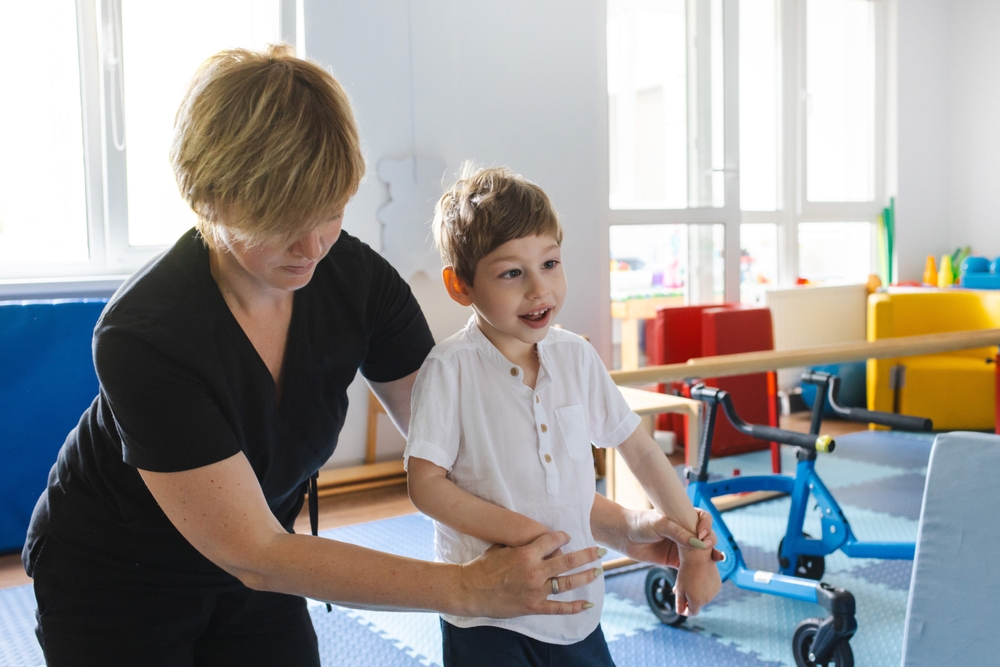
25 March 2026 marks National Cerebral Palsy Awareness Day, a global event first established in 2006 to bring greater attention to Cerebral Palsy, raise research funding and advocate for those living with the condition. Stewarts’ Medical Negligence department deals with many cases where a child has Cerebral Palsy, often arising from preventable birth injuries or substandard neonatal care.
What is Cerebral Palsy?
Cerebral palsy is an umbrella term used to describe a range of movement disorders, often referred to as “CP”.
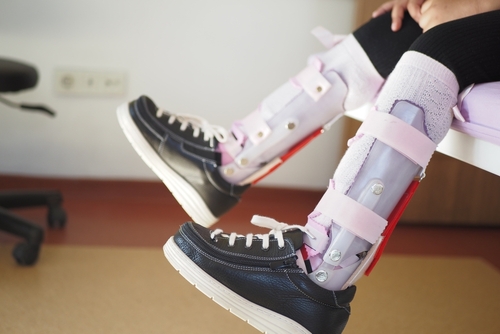
CP is a non-progressive physical condition that affects movement, coordination, muscle tone and posture. It is caused by abnormal brain development or damage to the brain, which can occur before birth, during labour or in the early developmental stages of a child’s life. While the brain damage does not worsen over time, the physical effects can change as a person ages, therefore requiring long-term management.
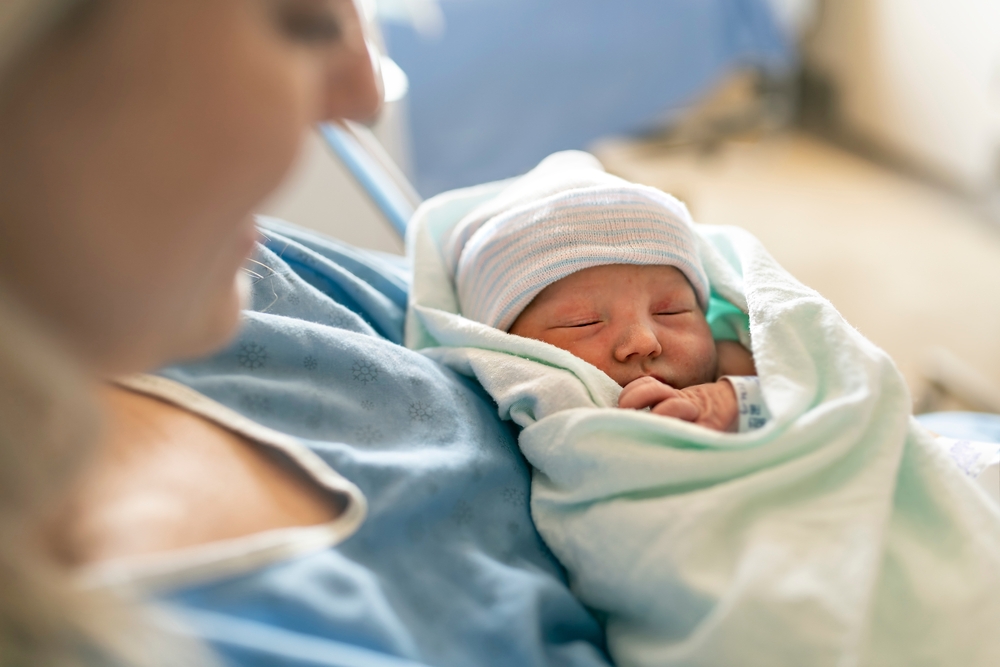
Brain damage can be caused by various risk factors, including infection during pregnancy, prematurity, delays in delivery, bleeding in the baby’s brain, reduced blood and oxygen supply to the brain or infections and other conditions arising in the neonatal period, such as meningitis.
Current estimates suggest that 1 in 400 babies is born with Cerebral Palsy. 1,800 babies are diagnosed with the condition each year, and over 110,000 people are living with the condition (30,000 being children).
The symptoms of Cerebral Palsy are often not immediately obvious in a very young baby, but typically become more noticeable from an early age.
There are various ways in which a person’s body will be affected by Cerebral Palsy, for example:
- Spastic Quadriplegic Cerebral Palsy is a severe form of CP where all four limbs are affected
- Diplegic Cerebral Palsy is where two limbs are affected, with the legs often being more affected than the arms
- Monoplegia is a rarer form of Cerebral Palsy, where only one limb is affected, and
- Hemiplegic Cerebral Palsy is a condition in which one whole side of the body is affected.
Someone with CP may also experience a range of other difficulties, including epilepsy, seizures, communication, hearing or visual difficulties, sensory issues and/or behavioural and learning difficulties.
You can read more about Cerebral Palsy Awareness Day here.
Stewarts’ approach to Cerebral Palsy medical negligence claims
Stewarts recognises that every child and adult living with Cerebral Palsy, and their families, have unique needs. If they are provided with the opportunities and support they require, they can thrive and often live more fulfilling, happier lives.
Our Medical Negligence team is vastly experienced in dealing with claims for children and young adults with Cerebral Palsy sustained as a result of an injury at around the time of birth.
We are regularly instructed to investigate new birth injury claims, including cases registered with NHSR’s Early Notification Scheme (ENS) and where there are Maternity and Newborn Safety Investigations (MNSI, previously HSIB and HSSIB) and Serious Untoward Incidents. Our team of specialist lawyers regularly reviews such reports to give families guidance on whether we think an avoidable brain injury has been caused by substandard care.
If breach of duty and causation (the two key parts of the test for a successful medical negligence claim) can be established, we quantify how much compensation a child with CP should receive. This is a complex process. We work closely with a team of experts to assess this, while the child and their family typically receive guidance and support from a dedicated team. This includes specialist brain injury case managers, support workers and a range of private therapists, for example, an occupational therapist to advise on and help implement specialist equipment.
More information about the medical negligence claim process and frequently asked questions regarding compensation claims for Cerebral Palsy can be found here.
Our team and its experience in investigating and resolving Cerebral Palsy cases
We have leading lawyers specialising in paediatric brain injury cases. Anita Jewitt and Guy Pomphrey are both highly ranked in the independent legal directories (Chambers & Partners and The Legal 500) for their work in this area. They are both AvMA panel members, which is an independent quality seal for specialist medical negligence lawyers.
As every case involving an individual living with CP is different, a personalised, detail-focused legal approach is required. Stewarts’ lawyers have small caseloads, which enables them to dedicate themselves fully to each case and to get to know the individuals’ and families’ needs and unique circumstances. We work with the best and most experienced medico-legal experts in midwifery, obstetrics, neonatology, paediatrics and paediatric neurology to ensure that each case is fully and carefully investigated to maximise the chances of succeeding with a case.
Here are some examples of the types of issues our teams in London and Leeds investigate:
- Delays in induction
- Incorrect or inadequate escalation of care during the labour and delivery process
- Meconium aspiration syndrome
- Incorrect CTG monitoring during the labour and delivery process
- Placenta previa
- Repeat haemorrhage during pregnancy
- Delays in delivery via C-section
- Fetal distress during labour and delivery
- Mismanagement of atypical symptoms post birth, and
- Group B Strep (GBS) infections during pregnancy.
We have vast experience acting for children who have received a diagnosis of Cerebral Palsy, and also for those who are experiencing developmental delays, epilepsy and other conditions and complications where a diagnosis of CP is yet to be received.
Barney’s story (name changed to protect confidentiality)
Before Barney was born, his parents had the same hopes and dreams as any family and a vision of the life they would share. That vision changed profoundly when Barney sustained a severe brain injury at birth and was later diagnosed with Quadriplegic Cerebral Palsy.
Now eight years old, Barney is non‑verbal, uses a wheelchair, is percutaneous endoscopic gastrostomy (PEG)‑fed and has significant physical disabilities. Yet he is defined by far more than his diagnoses. His laugh, determination and love of playing with his younger brother bring joy and pride to everyone around him.
Life as Barney’s parents is very different from what they once imagined, but with the involvement and support of Stewarts’ legal team, Barney’s medical negligence compensation has given him (and his parents) access to much-needed funds to support his care, independence, and quality of life.
To read Barney’s story in full, visit the full article here.
Ongoing maternity services inquiries
One of the leading causes of Cerebral Palsy is abnormal brain development or damage to the brain occurring during pregnancy or labour. Numerous recent inquiries into maternity services in the UK have brought to light repeated and systemic failings in the care provided to mothers during the pregnancy and labour and delivery process. Read more about Baroness Amos’s interim National Maternity and Neonatal Inquiry here.
Inquiries are also ongoing into maternity services in East Sussex, Nottingham and Leeds, with each maternity service having come under scrutiny for failings in the standard of care provided. Donna Ockenden has been appointed as chair of the NHS maternity services investigation in Leeds, bringing extensive expertise, having already led a major review in this area.
How can we help you?
Stewarts has extensive experience in supporting people with Cerebral Palsy claims and is an expert in dealing with cases involving child brain injuries.
Guy Pomphrey, a partner in our Medical Negligence team in Leeds, who specialises in birth injury cases, comments:
“Every day, we support families adapting to life with a child who has life‑changing disabilities that could have been prevented. Too often, parents are left without clear answers about what went wrong. We help by carrying out thorough investigations into the care provided and, where appropriate, pursuing compensation claims. As every person with Cerebral Palsy has different and complex needs, securing the right care, rehabilitation, therapy and education is essential to ensure those needs are properly met and to give each child the best possible chance to thrive.”
We do this by representing those with claims for medical negligence and by working with leading charities in this important area, such as PEEPS HIE, which provides community, education and support to those living with the condition.
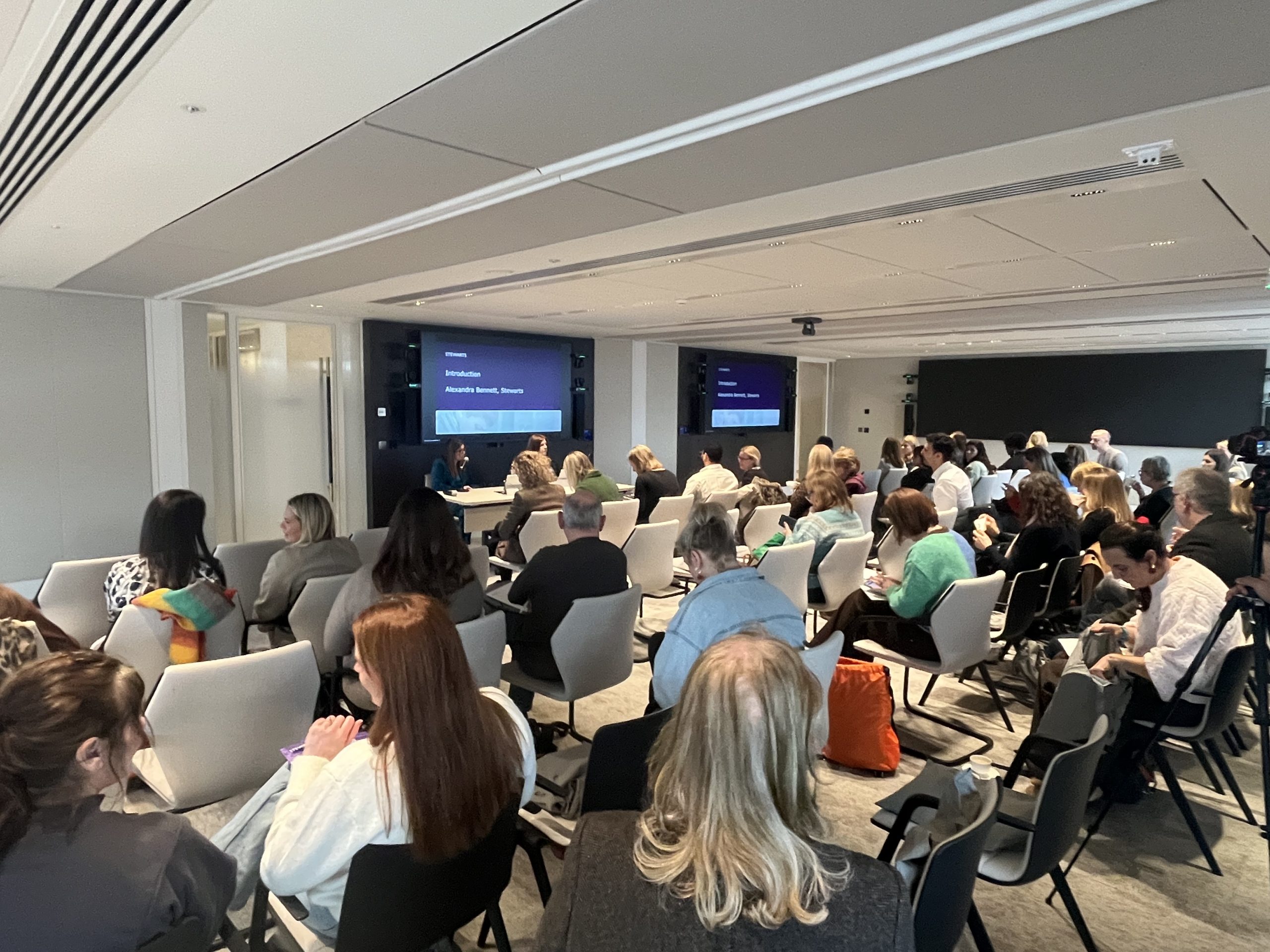
Two of our other specialist Cerebral Palsy lawyers, Katherine Fitter and Alexandra Bennett, outline the importance of seeking advice following birth trauma in the following video.
You can find further information regarding our expertise, experience and team on our Medical Negligence page. If you require assistance from our team, please contact us today.
Additional help
Stewarts is a proud member of the legal panel for PEEPS, the only UK charity dedicated to supporting those affected by hypoxic-ischaemic encephalopathy (HIE), which is typically caused by a lack of oxygen to the brain either before or after birth. HIE can cause serious brain injury and Cerebral Palsy. Stewarts support PEEPS to increase awareness and understanding of HIE by offering our expertise to advise families affected by helping them navigate any potential legal claims and providing any other legal support they may require.